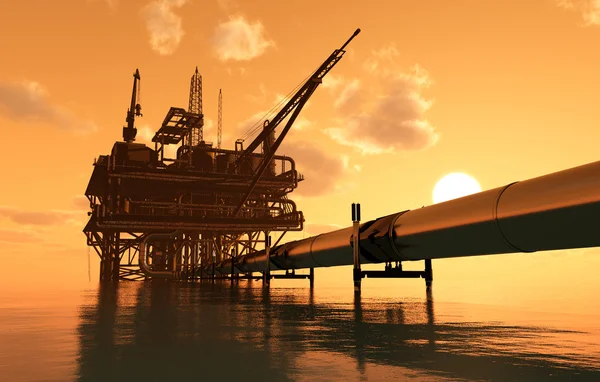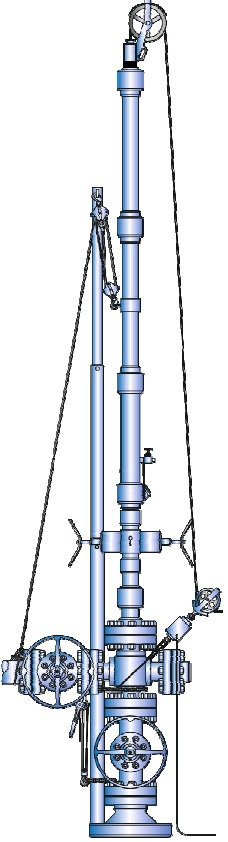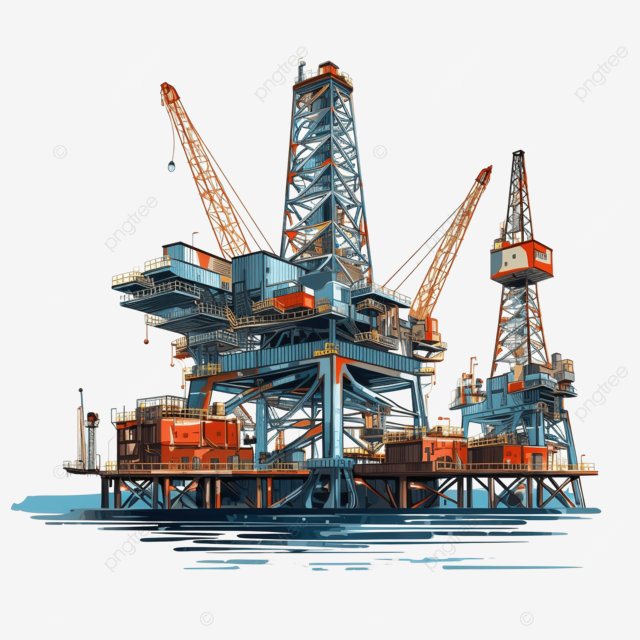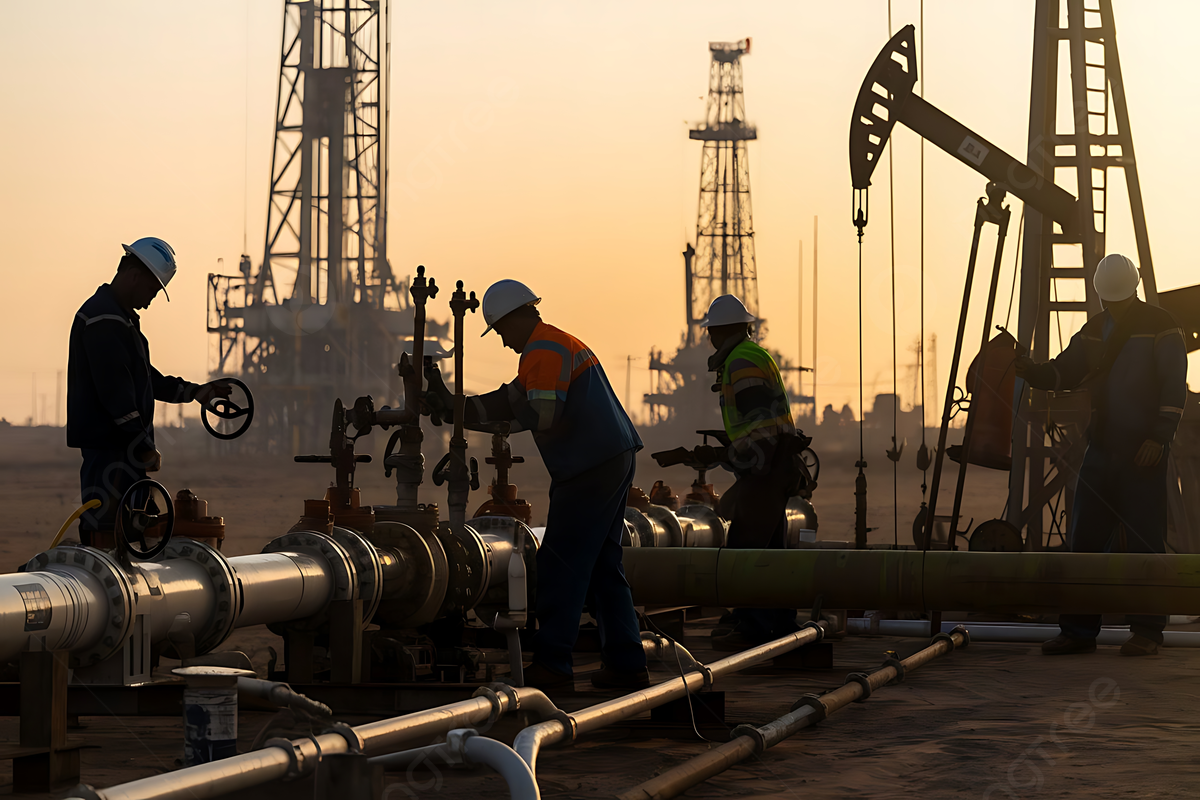
Enterprise-grade field operations platform — unifying all departments, wells, and production workflows on a single intelligent dashboard.
Real-time visibility across all wells, platforms, and departments from a unified control view.
Hover over any component to view live operational data. Click to explore details.
Each department contributes specialized expertise that feeds directly into well performance and production output.
Multi-Phase Flow Measurement — real-time oil, gas, and water flow rates for each well, enabling precise production accounting without test separators.
Downhole logging, perforation, and plug operations using wireline tools — providing critical subsurface data for reservoir management decisions.
Daily well monitoring, production optimization, and facility management ensuring maximum hydrocarbon recovery at minimum operating cost.
Well construction from surface to reservoir — planning, execution, and documentation of all drilling activities with full audit trail and safety compliance.
Installation of downhole equipment (tubing, packers, valves) that prepares drilled wells for production — bridging drilling and production phases.
Well intervention and remediation — restoring underperforming wells to full production potential through mechanical repairs and stimulation treatments.
Four integrated layers — from departmental inputs to measurable field output.
From task creation to completion — every step tracked, time-stamped, and fully auditable.
Supervisors create monthly operational plans, assigning tasks to departments with deadlines, priorities, and resource requirements.
Tasks are distributed to field operators with clear objectives, required tools, and SLA timelines automatically enforced by the system.
Operators log real-time progress, upload MPFM test data, and update task states as work progresses on the platform or well site.
Surveillance supervisors review completed work, validate technical accuracy, and either approve or request corrections with detailed notes.
Senior job officers provide final approval, ensuring all safety, compliance, and production targets have been met before task closure.
Automated reports on KPIs, SLA compliance, department performance, and production impact — available instantly without manual compilation.
Six distinct roles with precise permissions — ensuring the right people see and do the right things.
Full platform control — user management, system configuration, audit access, and cross-department visibility.
Oversees department tasks, monitors team performance, and manages monthly planning for their operational unit.
Reviews and approves field operations, validates MPFM data, monitors SLA compliance across all departments.
Final approval authority for completed tasks — ensures all technical and safety standards are met before sign-off.
Executes assigned field tasks, logs MPFM tests, uploads evidence, and updates real-time status from the field.
Management and stakeholder access — view dashboards, reports, and KPIs without modification privileges.
Real operational improvements measured across field sites after system deployment.
Automated data aggregation eliminates manual report compilation — from 4+ hours to under 20 minutes per daily production report.
Fewer redundant site visits, optimized resource allocation, and proactive maintenance scheduling reduce total opex significantly.
SLA enforcement with automated escalation ensures tasks are completed on time — dramatically reducing operational delays and penalties.
Every action, approval, and data change is logged with timestamps and user identity — meeting all regulatory and compliance requirements.
Better well monitoring, faster intervention decisions, and optimized test scheduling contribute to measurable production improvements.
All six departments share a single source of truth — eliminating duplicate work, miscommunication, and data inconsistencies across the field.
| Area | Before System | After System |
|---|---|---|
| Daily Production Report | 4+ hours manual | Under 20 minutes |
| Task Oversight | Spreadsheets / phone calls | Live dashboard — all depts |
| MPFM Test Scheduling | Manual, often delayed | Automated SLA enforcement |
| Compliance Audit | Days to prepare | Instant export, 100% complete |
| Overdue Task Rate | ~35% monthly | Under 10% |
| Cross-dept Communication | Email / WhatsApp | In-system notifications & log |
Protecting critical operational data with multiple layers of security, access control, and compliance frameworks.
All data in transit and at rest is encrypted using AES-256 and TLS 1.3 — industry-standard protection for your most sensitive operational data.
Granular permissions ensure each user sees only what they need — preventing unauthorized access to sensitive well data or financial information.
Every user action, data change, and approval is logged with timestamp and IP — providing complete traceability for regulatory compliance.
Two-factor authentication for all privileged accounts, with session management and automatic timeout for inactive sessions.
Hosted on hardened infrastructure with regular backups, disaster recovery plans, and 99.9% uptime SLA for critical operations.
Designed to meet ISO 27001 standards, oil & gas industry data governance requirements, and regulatory compliance frameworks.
A complete operational platform covering every aspect of petroleum field management.
Schedule, execute, upload, and validate multi-phase flow meter tests with full data history and trend analysis.
Create and track monthly operational plans for every department with automatic SLA monitoring and alerts.
Real-time alerts for task deadlines, SLA breaches, approval requests, and production anomalies.
BOPD, GOR, BSW, and efficiency KPIs tracked per well, per department, and platform-wide.
Visual well registry with oil string assignments, tower groupings, and production status overview.
Centralized storage for test reports, work orders, and completion certificates with version control.
Task state machines with automated routing, escalation, and approval chains — zero manual hand-offs.
Full functionality on tablets and phones — field operators can update tasks directly from the well site.
Join the field teams already using the platform to optimize production, reduce costs, and achieve full operational transparency.